Cervis Website Redesign / Refresh
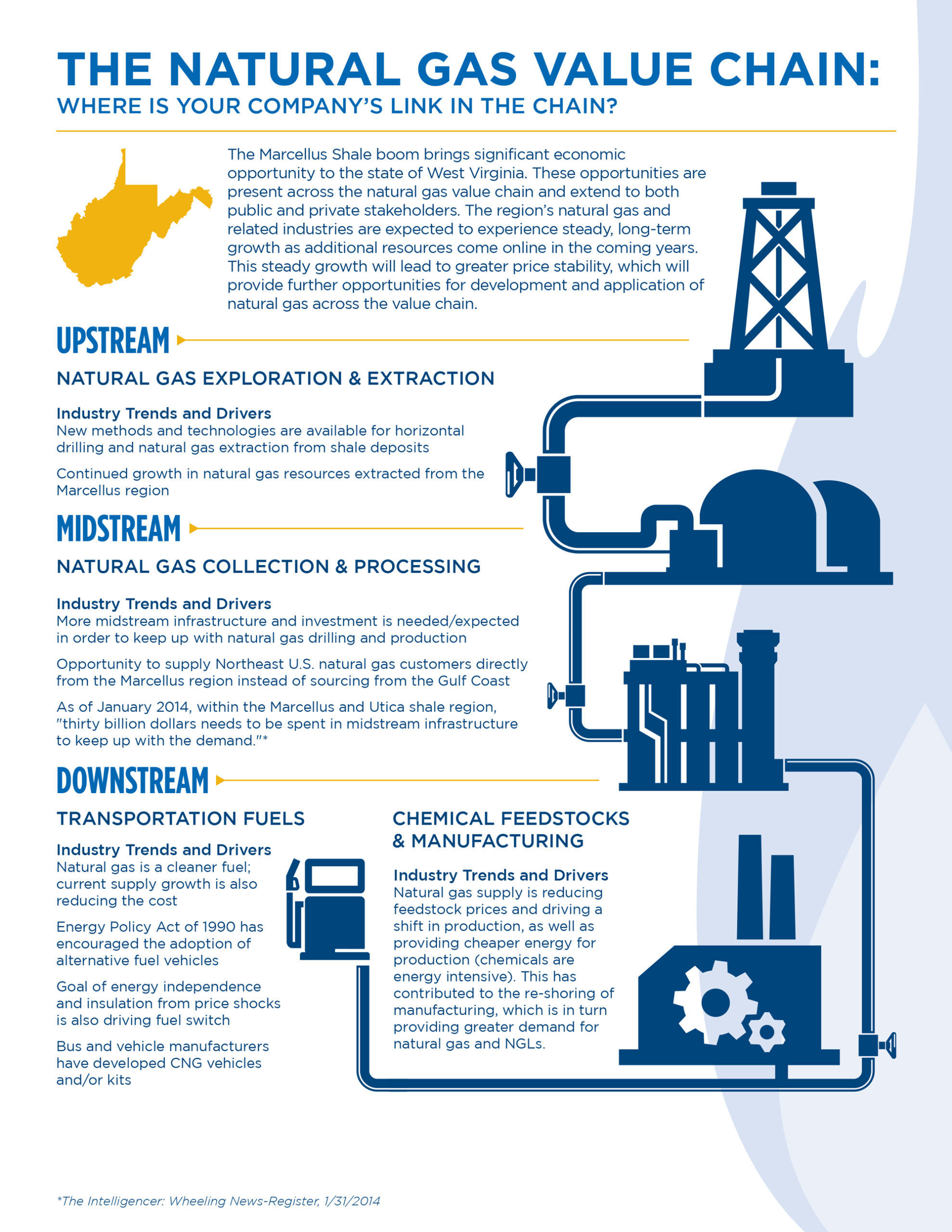
Once the rebranding of Cervis was underway (see Branding page for case study), the company website was in need of a drastic overhaul, both in appearance and functionality. The site’ state at the end of 2021 was one of limited usefulness to visitors due to poor visuals, a difficult to access content library, and a general lack of information architecture and user-friendliness (homepage image bottom right of this page).

A third party marketing firm was already in the process of redesigning the site and collaborated closely with Cervis to complete the refreshed website, which was launched in mid 2022. The site was vastly improved, but contained most of the original content. This was partly due to the lack of a full-time marketing department at Cervis, which was not in place until the beginning of 2022.
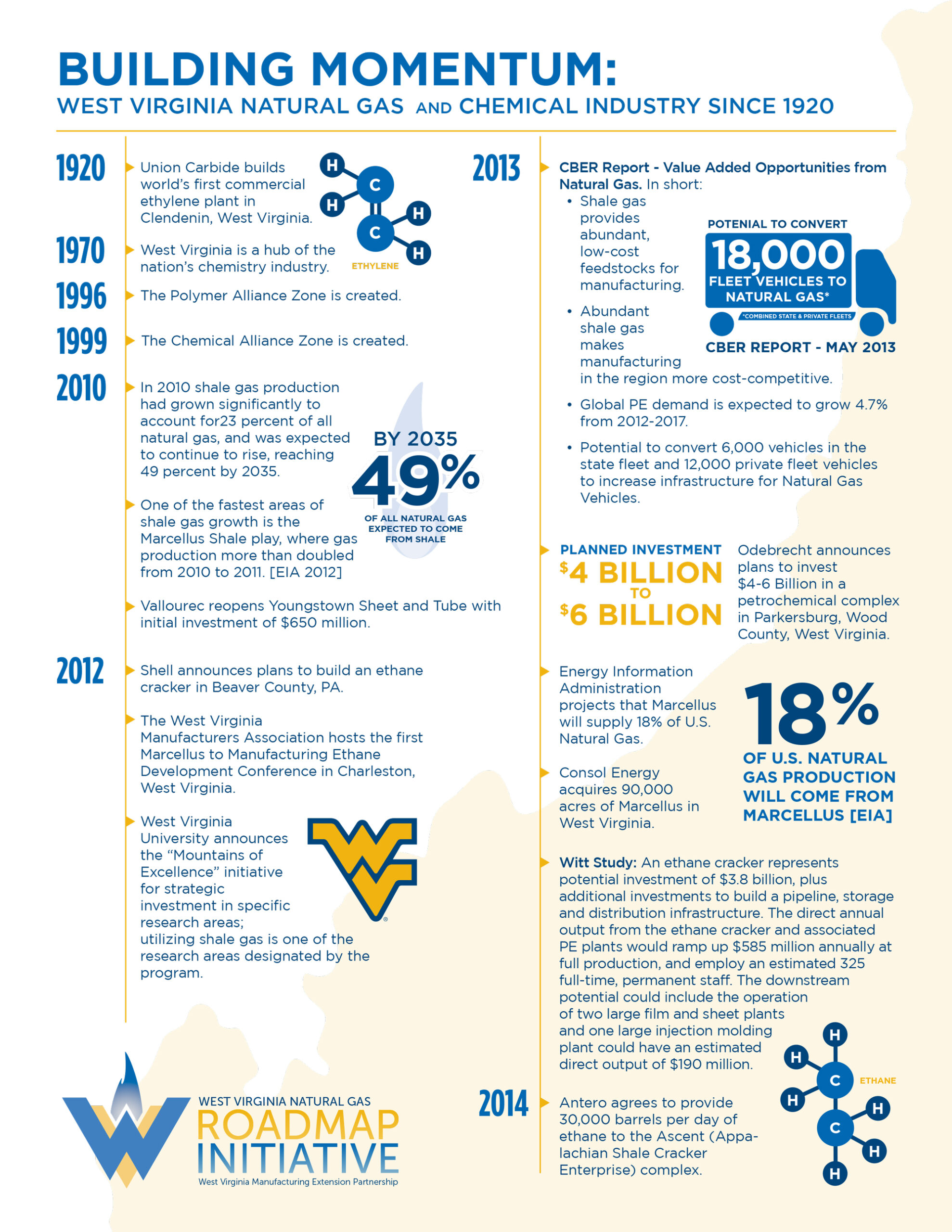
With a dedicated creative director now on staff, it was possible to upgrade the website further to include improvements in the quality and accessibility of more dynamic content. Digital manuals and specifications were now available for viewing and download, including diagrams, technical drawings, and other useful information.
Product presentation (middle right) was streamlined into more digestible groupings, with more relevant support information included for each item. Also added were product specific QR codes affixed to each product when shipped that when scanned open the relevant product page or document directly on the users mobile phone. This enables the end user to access valuable information in the field.
The site evolution continued with the addition of a more robust contact form solution. This new system enables more detailed information gathering to address all customer inquiries, including repairs, returns, customized software orders, and more.

Pennsylvania Film Industry Incentive Program
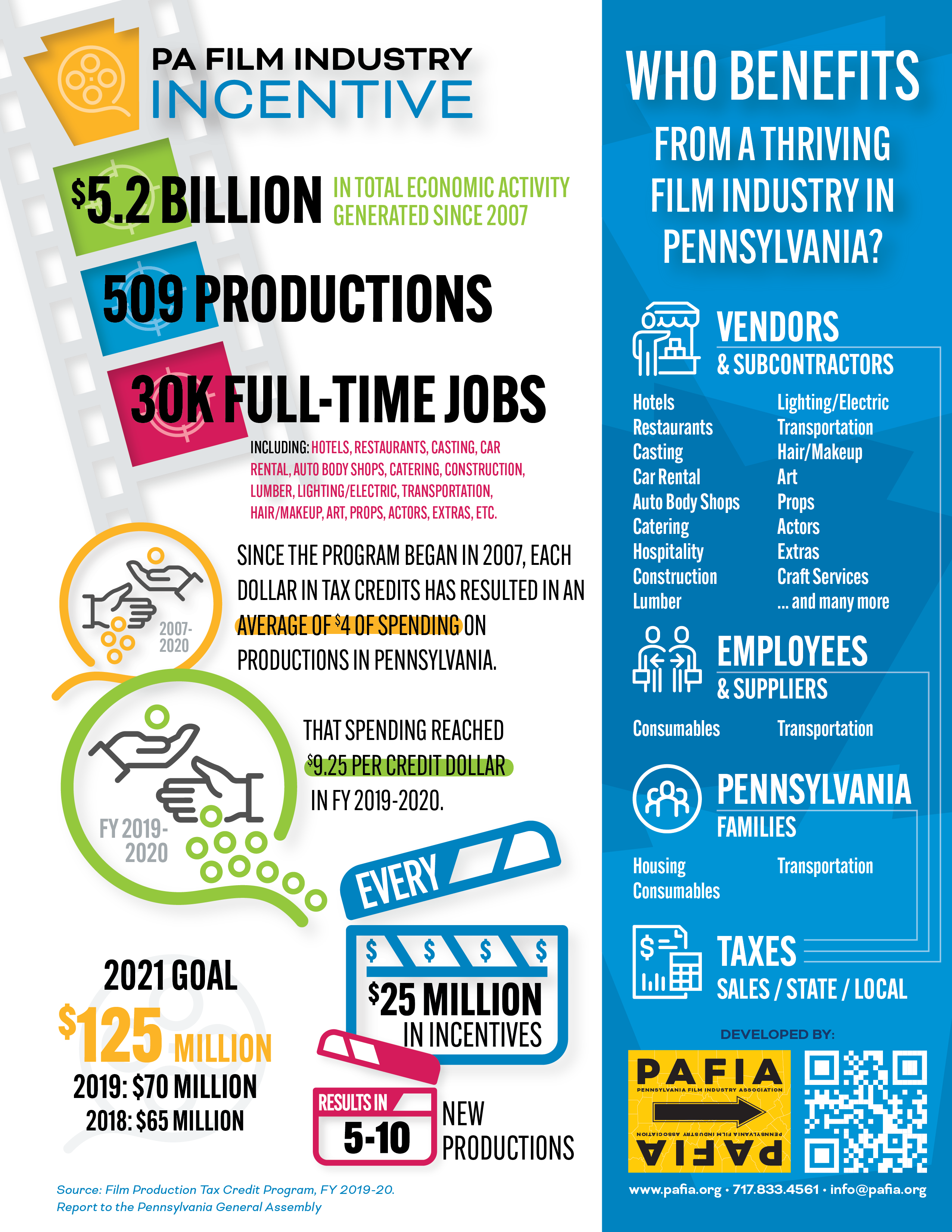
In 2021, the Pennsylvania Film Industry Association (PAFIA for short) was looking to create greater awareness of the importance of the film industry’s economic impact on the Keystone State. PAFIA launched a print and online campaign to better educate citizens and businesses about the economic benefit that the industry creates.
PAFIA was managed by a Pittsburgh-based association management company which contacted me to lead the concept development for the branding, as well as the graphic design of the pieces in the campaign. I was tasked to produce eye catching graphics and relay the pertinent information in a colorful, dramatic infographic style.
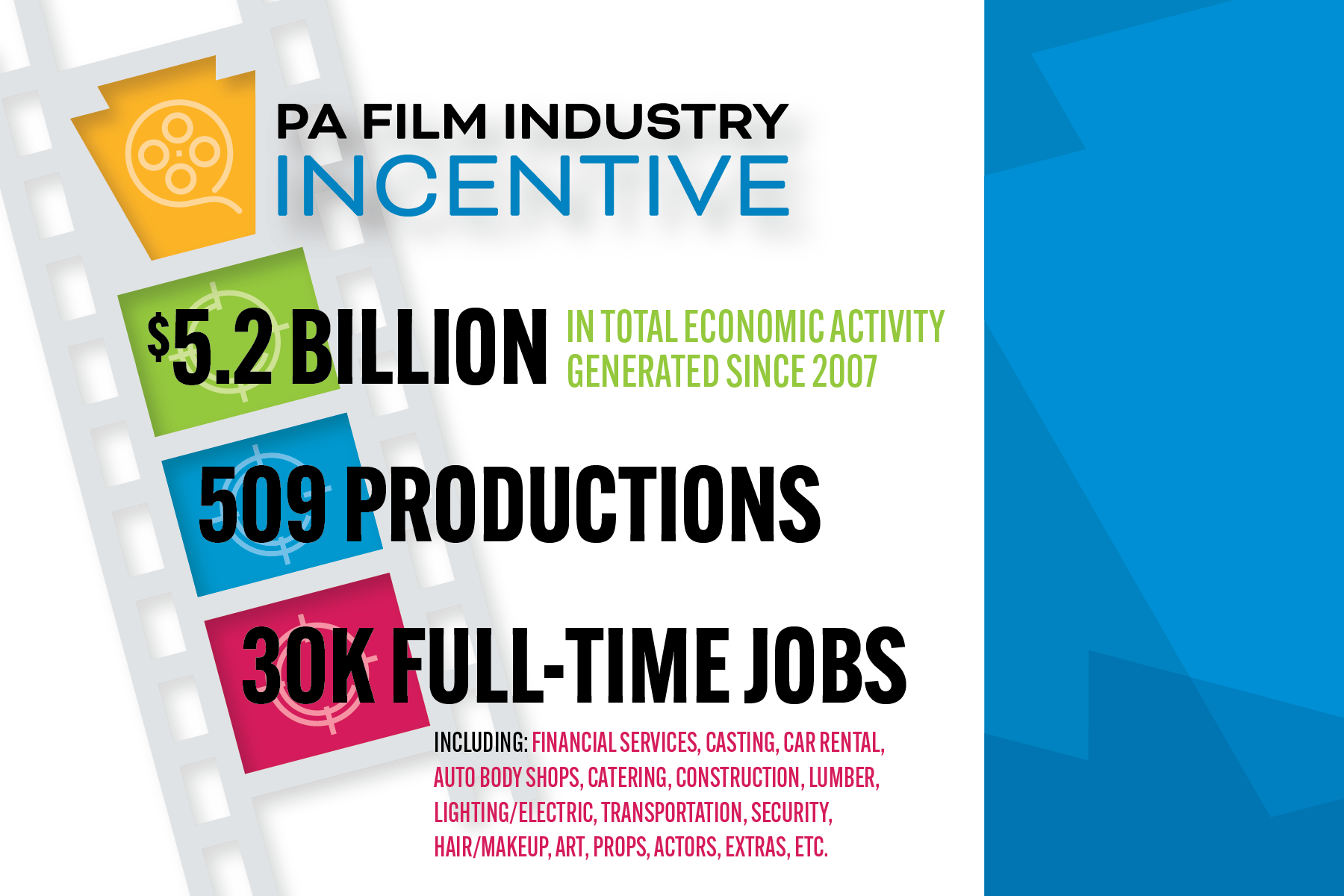
The example on the right shows a letter-sized flyer used for both print and digital portions of the campaign. The image below is a six by four inch postcard. The card was designed to be a standalone direct mail piece, or to be included in a package with the flyer and other informational materials about the program. The branding of the program is also original to the campaign.
West Virginia Natural Gas Roadmap Initiative
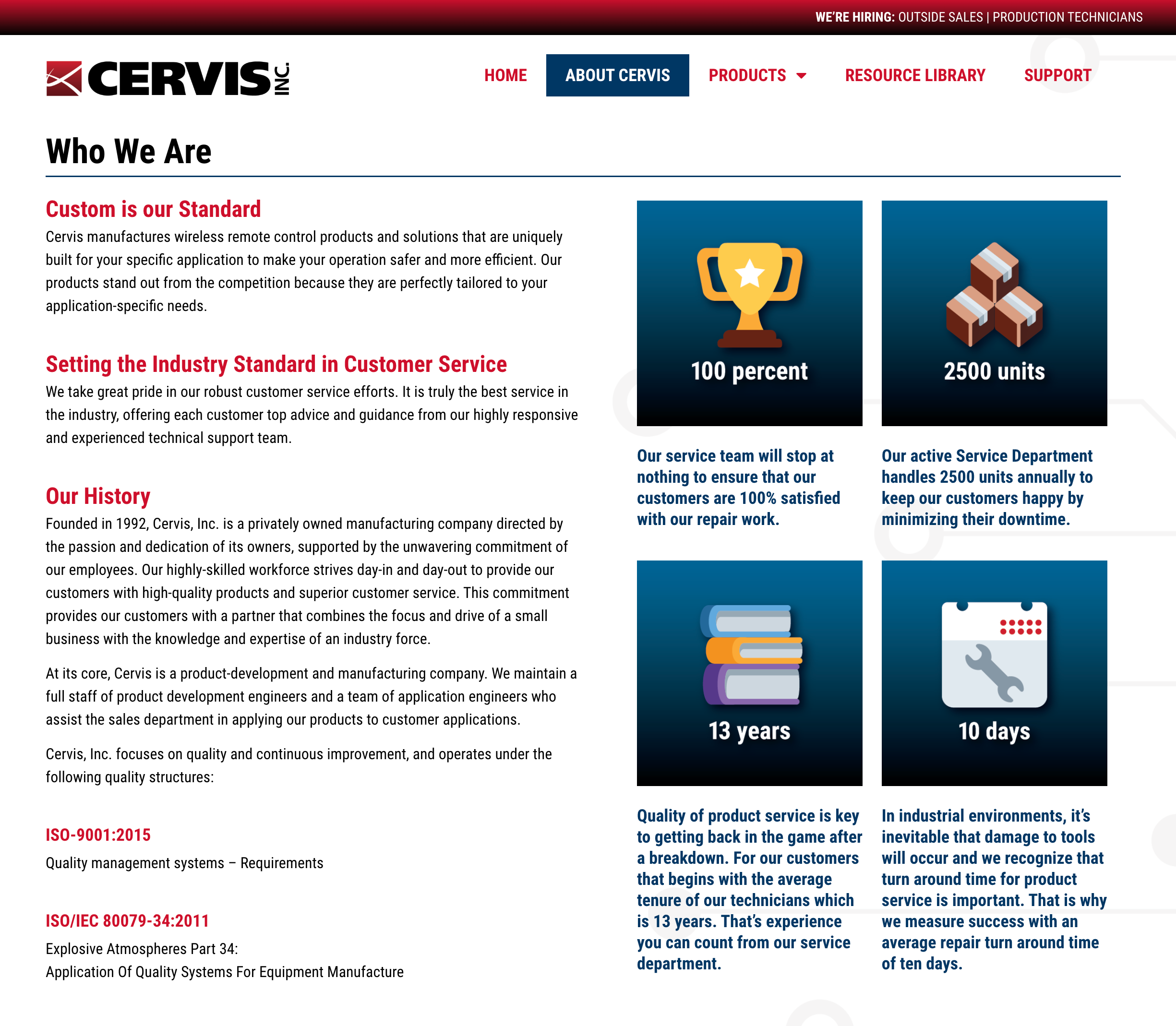
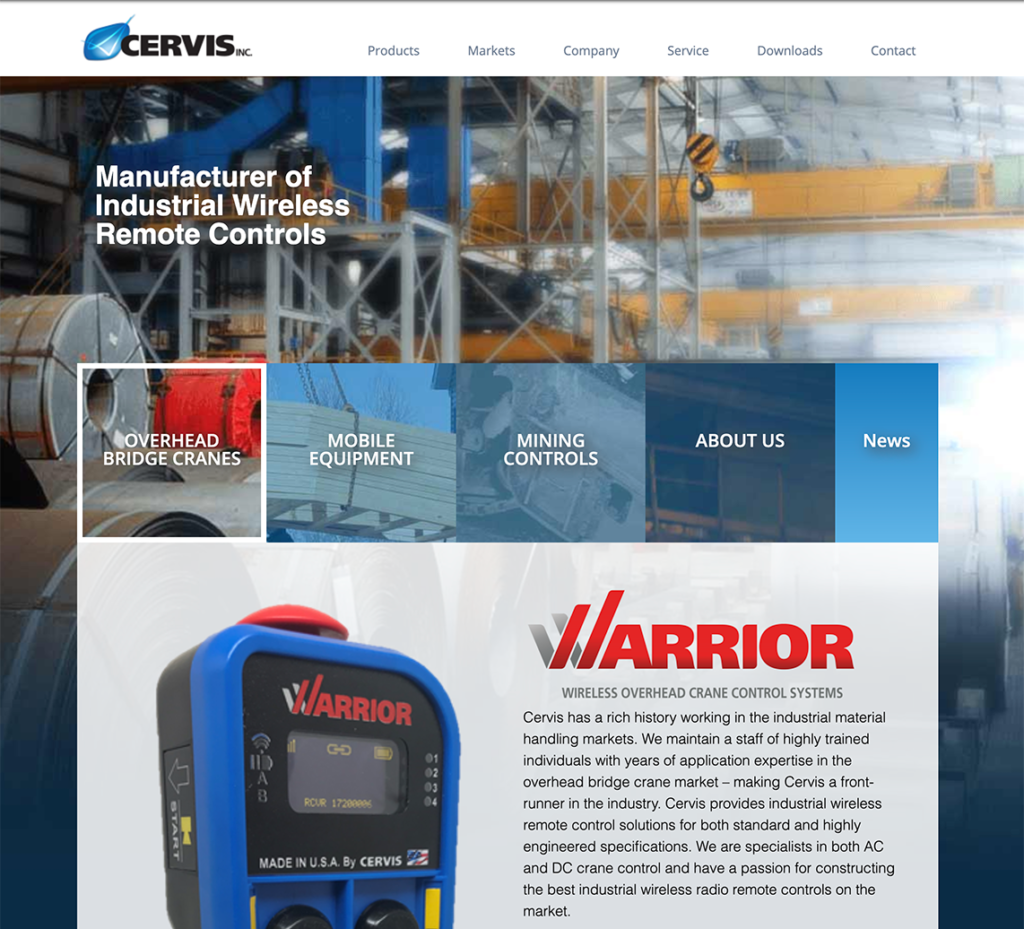
Informational flyer designed to both create awareness and educate the public on the natural gas industry’s impact in West Virginia.
The piece incorporates a timeline of events in the history of the state’s involvement with natural gas and the links in the chain of the modern day industry and where the main parts of the process connect to create the whole of the value chain.